
"coffee cultivation tips"
2000 article(s) found

The planting Environment of Coffee Bean in Colombia
The pure taste of Colombian coffee comes from Colombia's natural environment with the most favorable conditions for coffee growth. But beyond that, it is inseparable from the hard work of local growers. In Colombia, coffee cultivation has reached 1.07 million hectares, there are about 302000 coffee plantations in the country, and 30 to 40 per cent of the rural population depends directly on coffee production. Columby

The species morphology of coffee beans the planting environment of coffee the quality of coffee producing area
Plant morphology of Colombian coffee the main variety of Colombian coffee is small-grain coffee. Plants are small trees or large shrubs, 5-8 m tall, usually much branched at base; old branches gray-white, nodes dilated, young branches glabrous, compressed. Leaves thinly leathery, ovate-lanceolate or lanceolate, 6-14 cm long and 3.5-5 cm wide, tip long acuminate, acuminate part 10-15 mm long, base cuneate or

Description of taste and flavor of coffee beans produced in Colombian Hope Manor by variety treatment
Colombia hopes to describe the taste and flavor of the vineyard coffee beans produced by the variety treatment method. Colombia's suitable climate provides a real natural pasture for coffee. Coffee trees in Colombia are mainly cultivated in the Andes, on steep slopes about 1300 meters above sea level, where the annual temperature is about 18 degrees Celsius, annual rainfall is 2000 to 3000 millimeters, and latitude 1-1.

Colombian Coffee Flavor Taste Manor production area introduces Hope Manor
The history of coffee cultivation in Colombia can be traced back to the Spanish colonial era in the 16th century, and there are many theories about the history of coffee in Colombia: one: it is said to come from the island of Haiti in the Caribbean and from El Salvador in Central America. Second: in 1808, a priest introduced coffee beans to Colombia for the first time from the French Antilles via Venezuela. One of them

Characteristics of the Historical Origin of Coffee Culture in Colombia
History tracing Editor Colombian Coffee Brand Colombian Coffee Brand (9) the history of coffee cultivation in Colombia can be traced back to the Spanish colonial era in the 16th century. there are also many theories about the history of coffee in Colombia: one: it is said to have come from the island of the Caribbean and by sea through El Salvador in Central America. Second: in 1808, a priest obeyed the law.

Characteristics, Origin, History and species Morphology of Colombian Coffee beans
History tracing Editor Colombian Coffee Brand Colombian Coffee Brand (9) the history of coffee cultivation in Colombia can be traced back to the Spanish colonial era in the 16th century. there are also many theories about the history of coffee in Colombia: one: it is said to have come from the island of the Caribbean and by sea through El Salvador in Central America. Second: in 1808, a priest obeyed the law.

Small coffee Coffea arabica Linn Arabica coffee
Small coffee Coffea arabica L. Coffea arabica Linn. Sp. Pl. one hundred and seventy two。 1753; A. Cheval. Op. Cit. 196; A. E. Haarer, op. Cit. 13; Flora of Hainan 3: 349. 1974; Atlas of higher plants in China 4: 285, figure 5929. 1975; Tree Map of Yunnan, Volume 2: 1151. 1991. Small trees or large shrubs, 5-8 m tall

What is Brazilian Bourbon Tip Coffee Bean Bourbon Tip Coffee Bean Flavor Introduction
Professional coffee knowledge exchange More coffee bean information Please pay attention to Coffee Workshop (Weixin Official Accounts cafe_style) In the 2018 World Coffee Brewing Competition, a bourbon tip from Brazil defeated a group of Panama and Honduras. So what kind of coffee bean is bourbon tip? What does bourbon tip taste like? Xiaobian to introduce you to Bourbon Point Coffee

Introduction to the flavor and taste characteristics of sweet Colombian coffee manor
The history of coffee cultivation in Colombia can be traced back to the Spanish colonial era in the 16th century, and there are many theories about the history of coffee in Colombia: one: it is said to come from the island of Haiti in the Caribbean and from El Salvador in Central America. Second: in 1808, a priest introduced coffee beans to Colombia for the first time from the French Antilles via Venezuela. One of them

Colombian coffee growing environment Colombian coffee culture
The history of coffee cultivation in Colombia can be traced back to the Spanish colonial era in the 16th century, and there are many theories about the history of coffee in Colombia: one: it is said to come from the island of Haiti in the Caribbean and from El Salvador in Central America. Second: in 1808, a priest introduced coffee beans to Colombia for the first time from the French Antilles via Venezuela. One of them

Species Morphology and Variety Grade History of Colombian Coffee
The main varieties of Colombian coffee are small grains of coffee. Plants are small trees or large shrubs, 5-8 m tall, usually much branched at base; old branches gray-white, nodes dilated, young branches glabrous, compressed. Leaves thinly leathery, ovate-lanceolate or lanceolate, 6-14 cm long and 3.5-5 cm wide, tip long acuminate, acuminate part 10-15 mm long, base cuneate or slightly obtuse, rarely rounded, entire or

Planting Environment and species Morphology of Colombian Coffee
The pure taste of Colombian coffee comes from Colombia's natural environment with the most favorable conditions for coffee growth. But beyond that, it is inseparable from the hard work of local growers. In Colombia, coffee cultivation has reached 1.07 million hectares, there are about 302000 coffee plantations in the country, and 30 to 40 per cent of the rural population depends directly on coffee production. Columby

Colombian Coffee Flavor description Taste quality characteristics introduction of Brand Manor name
Colombian coffee beans: in 1808, a priest introduced coffee beans to Colombia for the first time from the French Antilles via Venezuela. One of them is that Colombia's first coffee seeds were imported from Venezuela through the province of Santander. Third: the earliest record of coffee cultivation in Colombia appeared in The Illustrated, a Spanish missionary named The Illustrated.

Colombian coffee characteristics Colombian coffee brand Colombian coffee beans
The history of coffee cultivation in Colombia can be traced back to the Spanish colonial era in the 16th century, and there are many theories about the history of coffee in Colombia: one: it is said to come from the island of Haiti in the Caribbean and from El Salvador in Central America. Second: in 1808, a priest introduced coffee beans to Colombia for the first time from the French Antilles via Venezuela. One of them

Introduction to the regional characteristics of Columbia Linglong Huashen coffee taste grinding scale
Columbia Linglong Flower God Coffee Taste Grinding scale the regional characteristics of Colombian coffee varieties are mainly small-grain coffee. Plants are small trees or large shrubs, 5-8 m tall, usually much branched at base; old branches gray-white, nodes dilated, young branches glabrous, compressed. Leaves thinly leathery, ovate-lanceolate or lanceolate, 6-14 cm long, 3.5-5 cm wide, tip long acuminate

Origin Culture and species Morphology of Colombian Coffee
The earliest records of coffee cultivation in Colombia appear in a book called The Illustrated Orinoca by Spanish missionary Jose Gumilla. He describes what he saw when he preached on both sides of the Meta River in 1730, in which he mentioned the local coffee plantation. By 1787, other missionaries had spread coffee to other parts of Colombia.
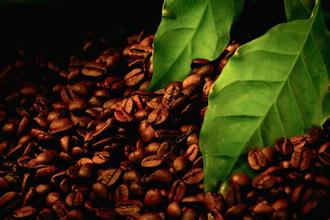
Flavor description of Colombian Ramon Coffee beans introduction to the taste of grinding scale varieties
Description of the flavor of Colombian Ramon coffee beans the taste of Colombian coffee is mainly small-grain coffee. Plants are small trees or large shrubs, 5-8 m tall, usually much branched at base; old branches gray-white, nodes dilated, young branches glabrous, compressed. Leaves thinly leathery, ovate-lanceolate or lanceolate, 6-14 cm long, 3.5-5 cm wide, tip long acuminate

Introduction to the planting Environment of Colombian Coffee grown in the Highland introduction to the production area of Fine Coffee Bean Coffee Manor
The main varieties of Colombian coffee are small grains of coffee. Plants are small trees or large shrubs, 5-8 m tall, usually much branched at base; old branches gray-white, nodes dilated, young branches glabrous, compressed. Leaves thinly leathery, ovate-lanceolate or lanceolate, 6-14 cm long and 3.5-5 cm wide, tip long acuminate, acuminate part 10-15 mm long, base cuneate or slightly obtuse, rarely rounded, entire or

Introduction to varieties of Colombian Coffee produced by Flavor description and Grinding Calibration treatment
Colombian Coffee Flavor description Grinding scale treatment Variety introduction of Colombian Coffee the main varieties of Colombian coffee are small grains. Plants are small trees or large shrubs, 5-8 m tall, usually much branched at base; old branches gray-white, nodes dilated, young branches glabrous, compressed. Leaves thinly leathery, ovate-lanceolate or lanceolate, 6-14 cm long and 3.5-5 cm wide, tip long acuminate, acuminate

Columbia Coffee Coca Cauca producing area with unique sour and mellow taste
The earliest record of coffee cultivation in Colombia appears in a book called The Illustrated Orinoca by Spanish missionary Jose Gumilla. He describes what he saw when he preached on both sides of the Meta River in 1730, in which he mentioned the local coffee plantation. By 1787, other missionaries had spread coffee to other parts of Colombia.